
The Novel’s Digressive Form
The Life and Opinions of Tristram Shandy, GentlemanThis thread follows the narrator’s deliberate disruption of chronology and his defence of a book that progresses by digressing.
increasing Bearing strength in each event
 decreasing
Bearing strength in each eventdecreasingBeginning Before Birth
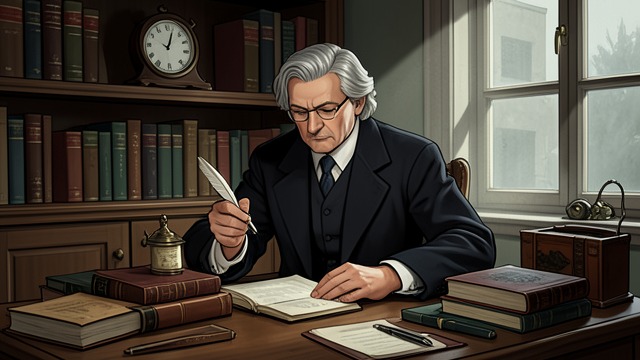
An Unusual Starting Point
The narrator’s choice
Tristram begins with the circumstances of conception rather than a conventional life event. He invokes Horace while openly rejecting inherited rules.
Readerly expectations
He asks the reader to tolerate delay, jokes, and interruptions. The form makes the act of reading part of the story.
The Story Interrupts Itself
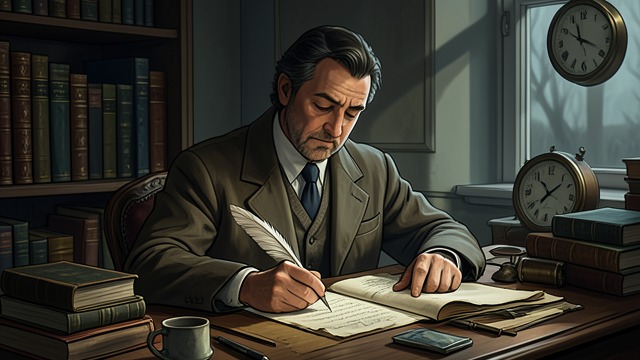
Delays as Structure
Departures from the plot
The narrator leaves the birth story for Yorick, Toby, legal documents, and philosophical disputes. Each detour creates new material rather than simply pausing the action.
A declared method
Tristram explains that digressions and progress can occur together. The novel turns narrative interruption into a governing principle.
The Chapters Become Visible
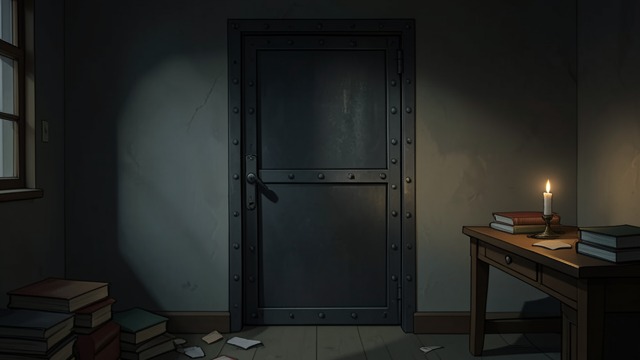
Form on the Page
Chapters as play
Tristram discusses chapters, removes one, and uses blank pages and interruptions as visible parts of the book. The reader encounters form as an event.
A comic argument
The novel challenges the assumption that a life can be narrated in orderly units. Its structure deliberately resists a straight route.
Lines and Journeys
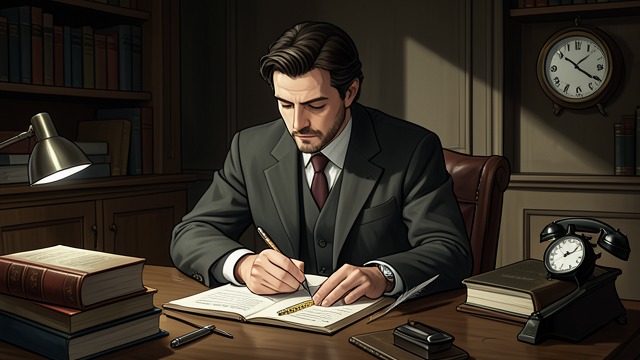
The Straight-Line Fantasy
A visual claim
Tristram draws his narrative paths and compares them with a ruler-straight line. He jokes that writers and readers confuse moral straightness with literal progress.
The detour persists
Even while promising improvement, he adds new deviations. The book’s form makes digression both subject and practice.
The Reader’s Participation
Shared Imagination
Gaps and invitations
Blank chapters and withheld details require readers to imagine what the narrator leaves unsaid. Tristram treats omission as an active part of reading.
A comic contract
He acknowledges that readers may object, then invites them to follow the story his way. The novel’s uncertainty becomes a relationship between writer and reader.
At the opening of the novel
During the first volume
During the second volume
During the third volume
During the fourth volume
